

Tracking is not the same as control
From visibility to operational control
Knowing where a shipment is has become a basic expectation in logistics.
A location on a map can tell you that a shipment is moving and whether it is roughly where you expect it to be. But in temperature-controlled logistics, that is only part of the picture.
A shipment can be on track and still need attention
A shipment may be exactly where it should be and still require attention.
- Is the temperature remaining within the expected range?
- Is the ETA still reliable?
- Has something happened that could affect the delivery?
- And, importantly, is that information available early enough to act?
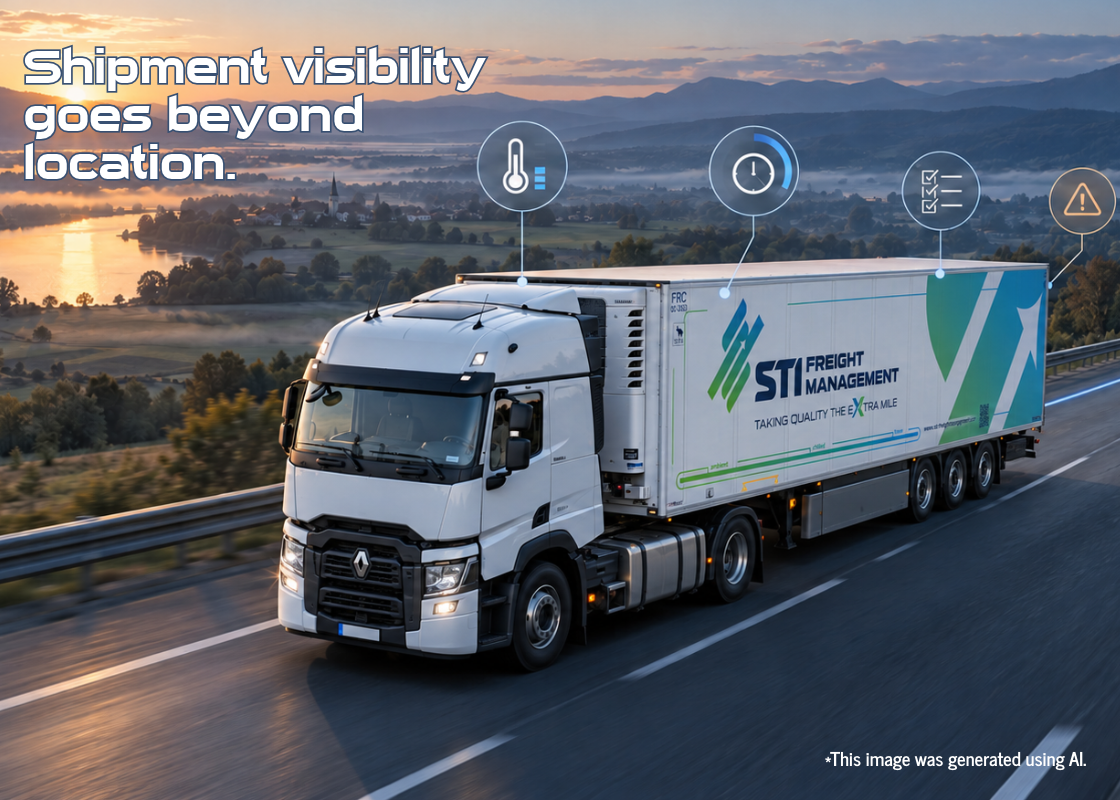
From location to understanding
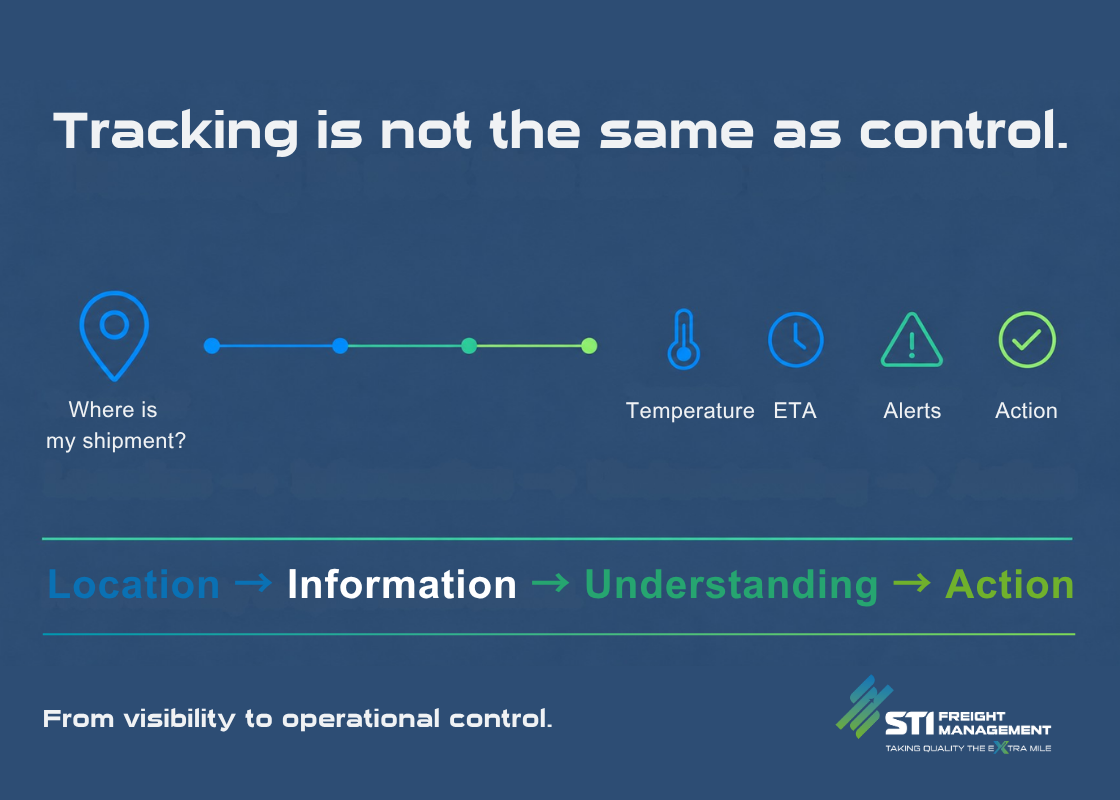
Tracking answers a simple but essential question:
Where is my shipment?
Visibility goes further by adding context.
Visibility goes further by adding context.
Location, temperature, ETA and alerts can provide a clearer picture of what is happening during the journey. But having more data is not the objective in itself.
The real value comes from being able to understand what the information means and recognise when attention may be needed.
For temperature-sensitive products, this is particularly relevant. Timing and transport conditions are closely connected to product integrity and reliable delivery.
Earlier visibility can support earlier action
Perhaps the most valuable aspect of visibility is time.
Digital visibility can therefore help move the conversation from:
“Where is the shipment?”
to:
“Is everything going as expected, and do we need to act?”
“Where is the shipment?”
to:
“Is everything going as expected, and do we need to act?”
That shift matters. Shipment visibility can support earlier risk identification, proactive communication and better-informed decisions.
Control does not mean that nothing ever goes wrong
Transport rarely exists in perfect conditions.
Traffic, loading or unloading delays, changing ETAs, capacity constraints and unexpected events can affect even a carefully planned shipment.
Operational control is not about promising that disruptions will never happen.
It is about having the information, processes and communication needed to recognise a change, understand its potential impact and respond appropriately.
And the human element matters. Technology can provide information, but people still need to interpret it, make decisions, communicate and coordinate the right response.
Turning visibility into value
Customers do not necessarily need more data. They need the right information at the right time.
That is where digital visibility can create real operational value.
- Location becomes information.
- Information creates understanding.
- Understanding enables action.
For temperature-controlled logistics, visibility is therefore about much more than watching a dot move across a map.
Tracking helps you see where a shipment is.
Tracking helps you see where a shipment is.
Operational control helps you understand what is happening and what may need to happen next.
That is the step from visibility to operational control.
