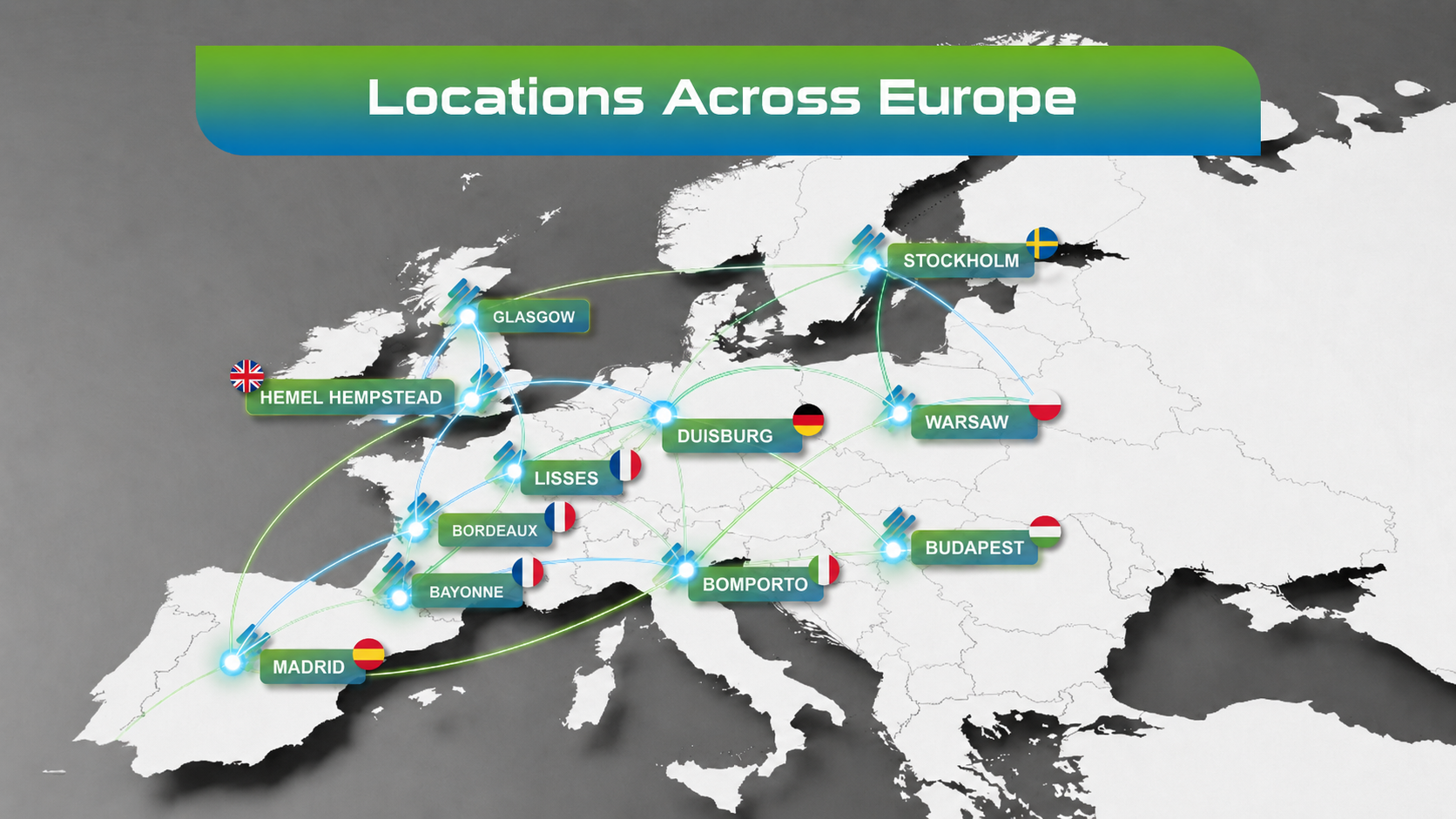
How Quality Stays Consistent Across Our European Network
Shared standards, collaboration and continuous improvement across Europe
When companies work with a logistics partner across different countries, one expectation matters everywhere: quality and consistency.
Not only in service, but also in the way processes are managed, information is shared and standards are applied from one location to another.
Earlier this year, STI Freight Management’s European QA team met in Madrid for its annual QA Meeting. While the meeting itself was an internal opportunity to exchange ideas, the topics discussed also reflect something that matters externally: how a European logistics network stays aligned across markets, entities and day-to-day operations.
Not only in service, but also in the way processes are managed, information is shared and standards are applied from one location to another.
In international freight management, quality is not only about meeting requirements. It is about making sure the experience is reliable, clear and well coordinated across the whole network.
Earlier this year, STI Freight Management’s European QA team met in Madrid for its annual QA Meeting. While the meeting itself was an internal opportunity to exchange ideas, the topics discussed also reflect something that matters externally: how a European logistics network stays aligned across markets, entities and day-to-day operations.
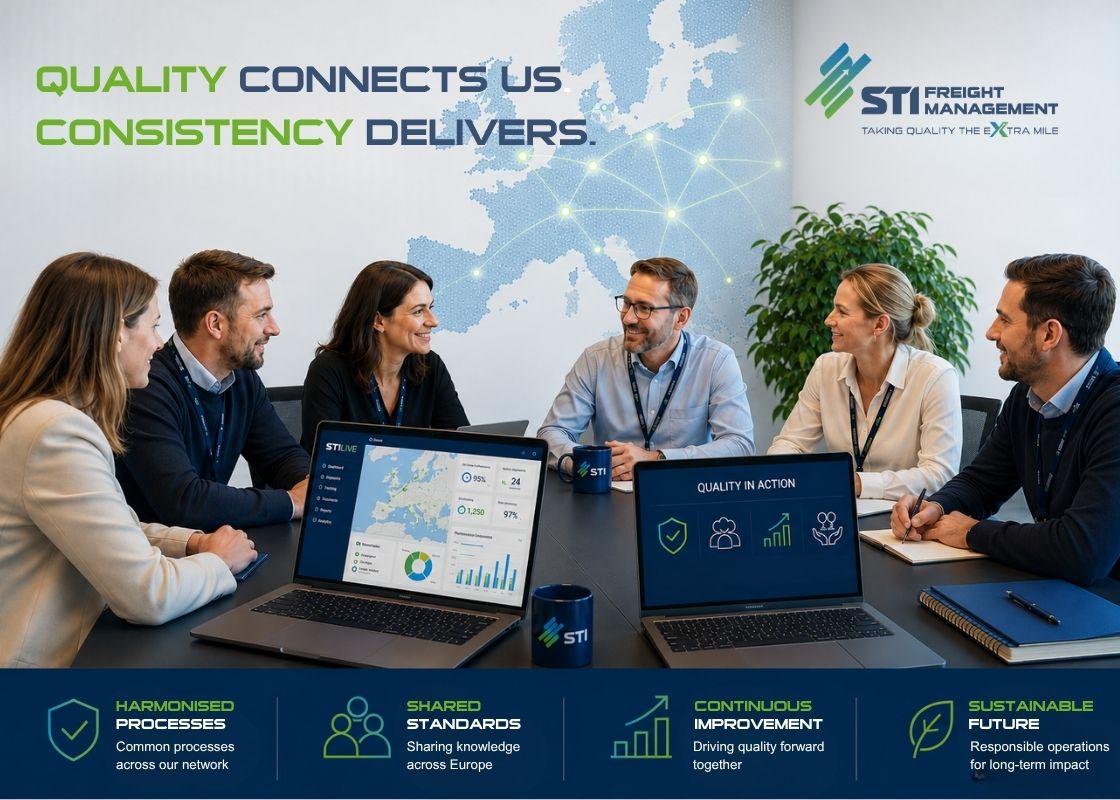
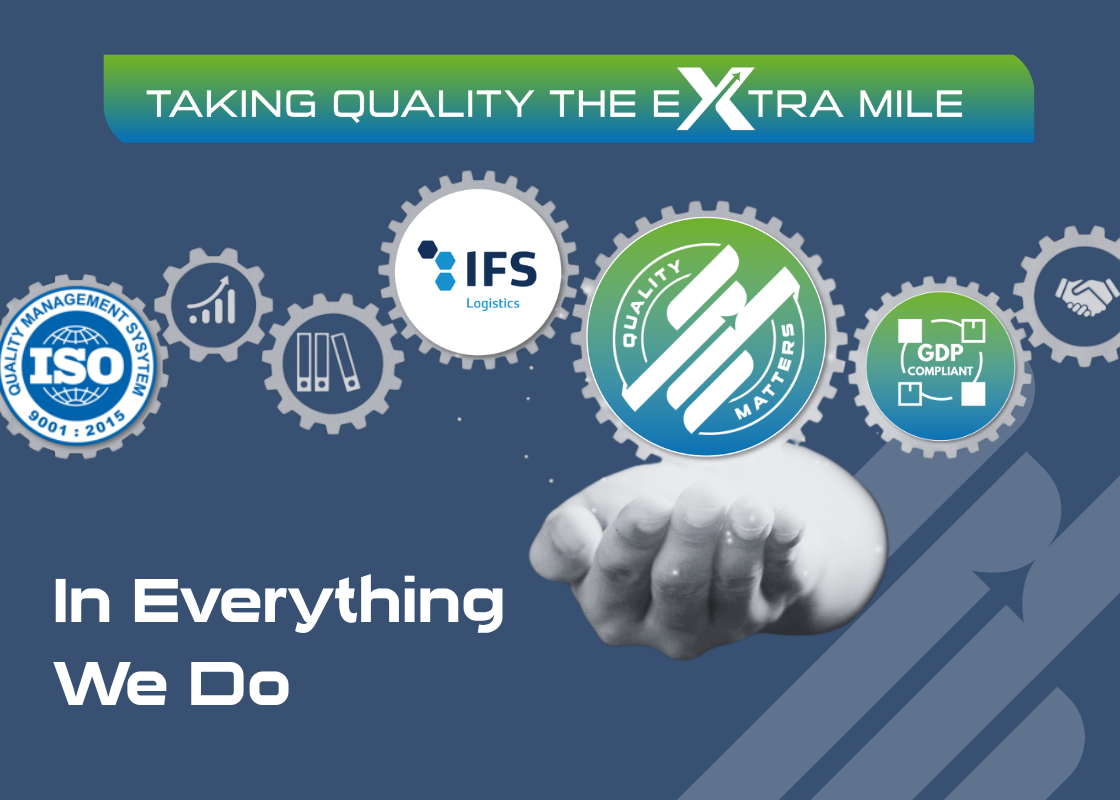
The meeting focused on quality standards, process harmonisation and future initiatives, including the next steps towards ISO 14001 certification. For customers and partners, these are not abstract topics. They are closely linked to something practical: reducing variation, improving clarity and supporting a more consistent way of working across different countries. As reflected in our approach to quality, this is an ongoing commitment supported by continuous improvement, shared responsibility across the business and aligned standards throughout the network.
That kind of alignment matters because every local market has its own operating reality. Different requirements, different customers and different daily challenges are all part of international logistics. But a strong network still needs to work within a common framework. The value of regular exchange between QA teams lies exactly there: it helps turn shared principles into practical ways of working, while still respecting local experience and expertise.
That kind of alignment matters because every local market has its own operating reality. Different requirements, different customers and different daily challenges are all part of international logistics. But a strong network still needs to work within a common framework. The value of regular exchange between QA teams lies exactly there: it helps turn shared principles into practical ways of working, while still respecting local experience and expertise.
Our European operations are supported by harmonised requirements, shared systems and coordinated processes designed to maintain consistency across locations.
Another important element is the connection between quality and operational visibility. During the meeting, participants also explored how collaboration with other teams, including the STILive development team, can support continuous improvement and simplify quality-related workflows. From a customer or partner perspective, this matters because quality is not built through procedures alone. It also depends on how easily information can be accessed, how clearly shipment progress can be followed and how documentation can be managed in a structured way.
Our online platform STILive brings transport management, tracking and documentation together in one place, with a focus on improving efficiency, transparency and access to key operational information. It also supports enhanced communication, real-time tracking and monitoring capabilities as part of our digital services approach. In practice, tools like these help create more stable processes and better coordination across the supply chain.
There is also a human side to consistency. Quality is not the responsibility of one team alone. It is supported by Quality Managers at each location, ongoing collaboration and continuous training across functions. This matters because reliable service across a network depends not only on systems and certifications, but also on shared understanding between the people behind the operation.